gi lymphoma in cats bloodwork
Inflammatory bowel disease IBD and small cell lymphosarcoma SCLSA are common causes of chronic gastrointestinal GI tract disease in cats. This type of lymphoma is linked to nearly 70 of cases in cats and is most common in seniors ranging from 10-13 years old.
Lymphoma In Your Cat Ron Hines Vetspace 2nd Chance The Animal Health Website
Feline Gi Lymphoma Panel From Vdi Laboratory Youtube Affects the lymphoid organs in the chest most often seen in young cats.
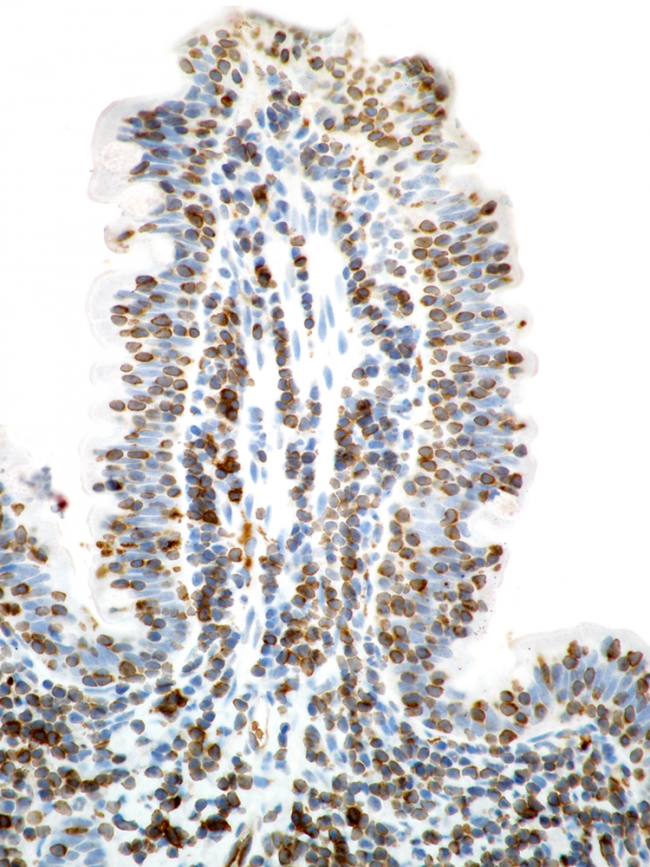
. The feline leukemia virus FeLV has been shown to cause lymphoma in cats. Certain anatomic presentations are associated with an improved prognosis such as nasal lymphoma and lymphoma of the cranial mediastinum lymphoma arising in the. When the mediastinal lymph nodes become infiltrated with lymphoma a mass is apparent in the mediastinum and a cancerous fluid fills the chest restricting breathing.
Intestinal Lymphoma in Cats. The recommended treatment for HGAL is a multiagent chemotherapy protocol. The feline leukemia virus FeLV has been shown to cause lymphoma in cats.
In general lymphoma is a cancer of a type of white blood cell called a lymphocyte. Lymphoma may involve neoplastic proliferation of T or B or non-Bnon-T type lymphocytes occurring primarily in the bone marrow lymph nodes and visceral organs. Lymphoma is one of the most common cancers diagnosed in cats.
Intestinal Lymphoma in Cats. The history clinical signs and results of blood work and imaging for these conditions are nonspecific and often overlap. Moreover it is the most common cause of.
If your cat is diagnosed with low grade. Written by Small Doors medical experts. After a thorough diagnostic workup and treatment trials to rule out other conditions a definitive.
Single-agent lomustine can be used in cats that do not tolerate frequent injections or whose owners wish to keep costs down. Single-agent lomustine can be used in cats that do not tolerate frequent injections or whose owners wish to keep costs down. 35 Off Your First Autoship Easy Refills.
Your cat must have signs of chronic GI disease of more than 3 weeks duration have had non-GI causes of vomiting andor diarrhea ruled out and must be amenable to blood. Intestinal lymphomas usually cause poor eating weight loss diarrhea and. Blood work can be useful for diagnosing feline intestinal lymphoma.
It is most often seen in senior cats and the prognosis and treatment depends on the type of lymphoma diagnosed small or large cell lymphoma. Ad We Offer the Same Medications As Your Vet at Great Prices. Unlike lymphoma in dogs viral causes of feline lymphoma are well defined and the feline leukemia virus FeLV.
In general lymphoma is a cancer of a type of white blood cell called a lymphocyte. Lymphoma accounts for one third of all cancers developed by cats. Lymphoma is one of the most common cancers diagnosed in cats.
The history clinical signs and results of blood work and imaging for these conditions are nonspecific and often overlap. Lymphoma is found to be responsible for around 90 percent of blood cancers and account for about 33 percent of all tumors in cats. Intestinal lymphoma originates in the GI tract and will often be accompanied by severe gastrointestinal symptoms.
The diagnosis of chronic enteropathy can include cats with chronic vomiting andor diarrhea cats with biopsy-diagnosed IBD inflammatory bowel disease and cats with small cell GI lymphoma. Lymphoma in cats is now most commonly seen in the intestines. Cats infected with the feline immunodeficiency virus FIV are also at higher risk for developing lymphoma.
The feline leukemia virus FeLV has been shown to cause lymphoma in cats. Blood work can be useful for diagnosing feline intestinal lymphoma. It typically involves several areas of the GI tract and can involve multiple lymph nodes the spleen liver and the bone marrow and blood.
Bloodwork is likely to be normal in cats with gastrointestinal. Lymphoma is found to be responsible for around 90 percent of blood cancers and account for about 33 percent of all tumors in cats. Feline lymphoma is one of the most common cancers in cats and typically affects the gastrointestinal system.
We typically see lymphoma in younger cats that are infected with FeLV or FIV and in older cats that are not infected with either virus. High-grade GI lymphoma specifically is an aggressive form of cancer in cats which is often wide spread at diagnosis. It is a cancer of the lymphocytes a type of white blood cell and is found throughout many areas of the body which include.
Intestinal lymphoma is the most common form of lymphoma in cats. 8 Approximately 50 to 65 of cats will respond with 30 having a complete response. Feline GI lymphoma is histologically classified as low intermediate or high grade according to the size and anaplasticity of the neoplastic.
Small cell lymphoma may be managed for some time with medication whereas. Lymph nodes spleen liver gastrointestinal tract and bone marrow.
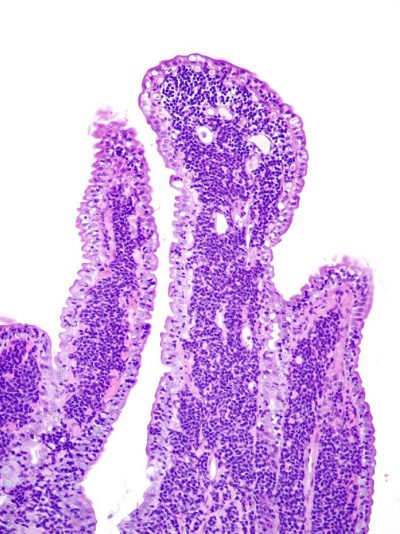
Differentiating Feline Intestinal Lymphoma From Inflammatory Bowel Disease Ibd College Of Veterinary Medicine At Msu

How To Diagnose Feline Intestinal Lymphoma 9 Steps

Read About Gastroenterology In This Article By Sandra Grover
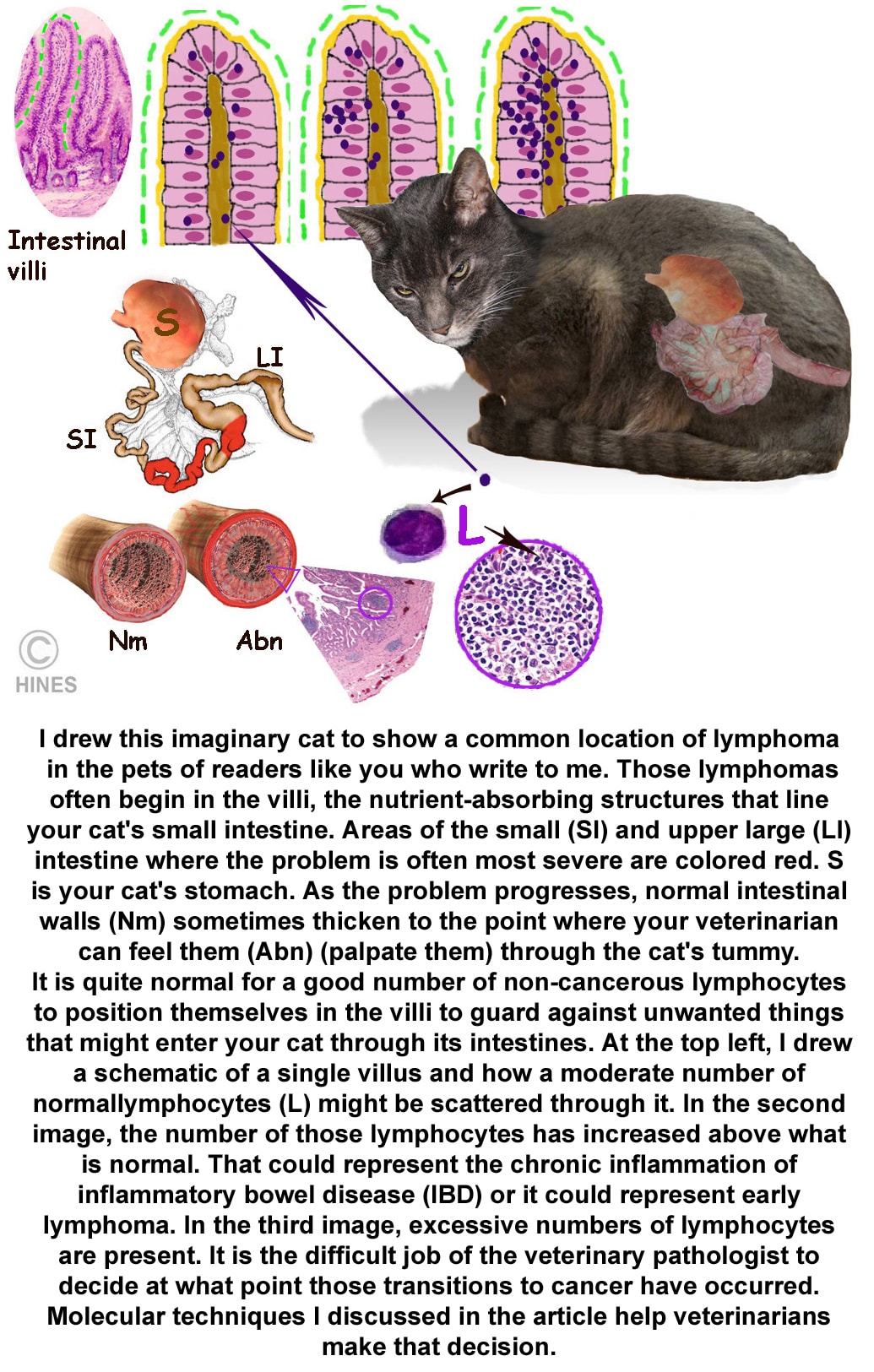
Lymphoma In Your Cat Ron Hines Vetspace 2nd Chance The Animal Health Website

How To Diagnose Feline Intestinal Lymphoma 9 Steps

How To Diagnose Feline Intestinal Lymphoma 9 Steps

Feline Lymphoma Clinician S Brief

Read About Gastroenterology In This Article By Sandra Grover

How To Diagnose Feline Intestinal Lymphoma 9 Steps
Blog Referral Vets In Leeds Swift Referrals

Read About Gastroenterology In This Article By Sandra Grover

32vyior7gryyjm
Lymphoma In Cats Petmd

Lymphoma In Cats Veterinary Partner Vin

How To Diagnose Feline Intestinal Lymphoma 9 Steps

Read About Gastroenterology In This Article By Sandra Grover
Differentiating Feline Intestinal Lymphoma From Inflammatory Bowel Disease Ibd College Of Veterinary Medicine At Msu
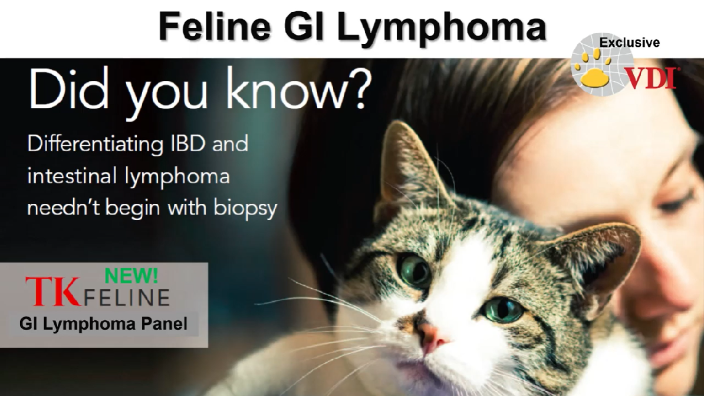
Feline Gi Lymphoma Panels

Lymphoma In Cats Veterinary Partner Vin